
Blog - Blog Details
Smart Traffic System Launches Across Downtown
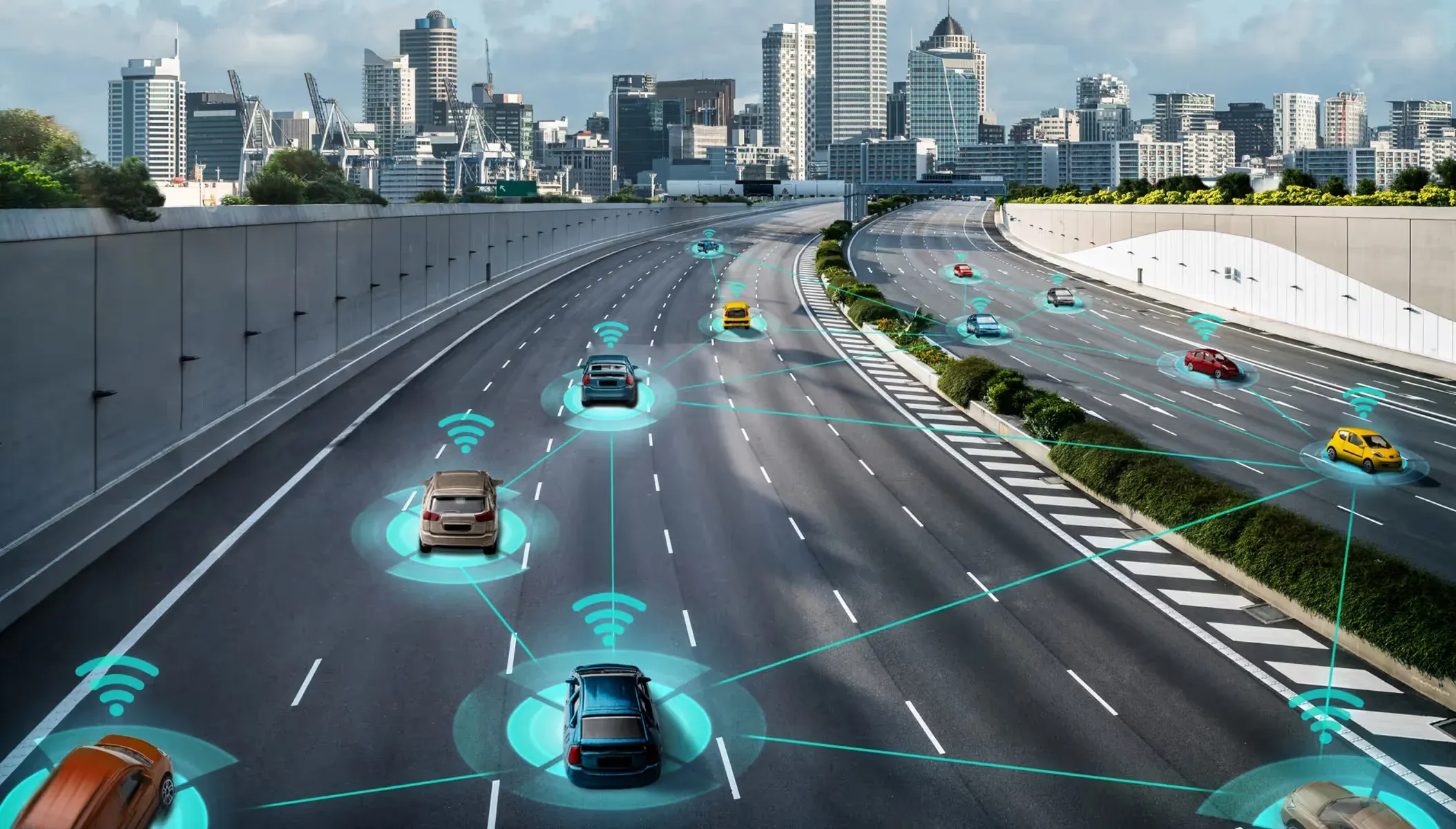
Citypedia has launched its Smart Traffic System, a new way of running the traffic signals downtown that is designed to improve traffic flow, reduce congestion and make streets safer for drivers, bus riders, cyclists and pedestrians.
The system went live this month at 25 intersections between the Historic Citypedia Bridge and City Hall. It is one of the most significant transportation upgrades in the city’s history.
How the System Works
Traditional traffic lights run on fixed timers. The new signals use cameras and sensors at each intersection to measure how many cars, buses, bikes and people are waiting, and adjust their timing every few seconds.
During rush hour, the system can give more green time to busy corridors and to buses running behind schedule. At quieter times, it cuts down on red lights at empty intersections. Operators at the Traffic Control Center in the Department of Transportation watch the downtown grid on a live dashboard and can respond to crashes or road closures right away.
Fire trucks and ambulances can also turn signals green along their route, which has already shortened emergency response times in the pilot area.
What Residents Can Expect
Early results from the pilot zone point to:
- A 25% reduction in average travel time at major intersections.
- 30% less time spent idling, which means lower fuel use and cleaner air.
- Longer crossing times for pedestrians who need them, detected automatically at crosswalks.
“This project is about getting people where they are going safely and on time,” said Mayor Ava Thomas. “It is a better commute for everyone, whether you drive, ride the bus or walk.”
Privacy
Cameras count and classify traffic; they do not record license plates or faces, and no video is stored. The system’s data policy is posted on the city website.
What Comes Next
The system was built with the transportation engineering firm UrbanFlow Technologies. The city plans to expand it along Parker Rd and Liberty Avenue over the next two years, with locations chosen by crash data and resident feedback.